

Best Diet for Eczema: Top Foods to Eat (and Avoid) for Friendly Skin
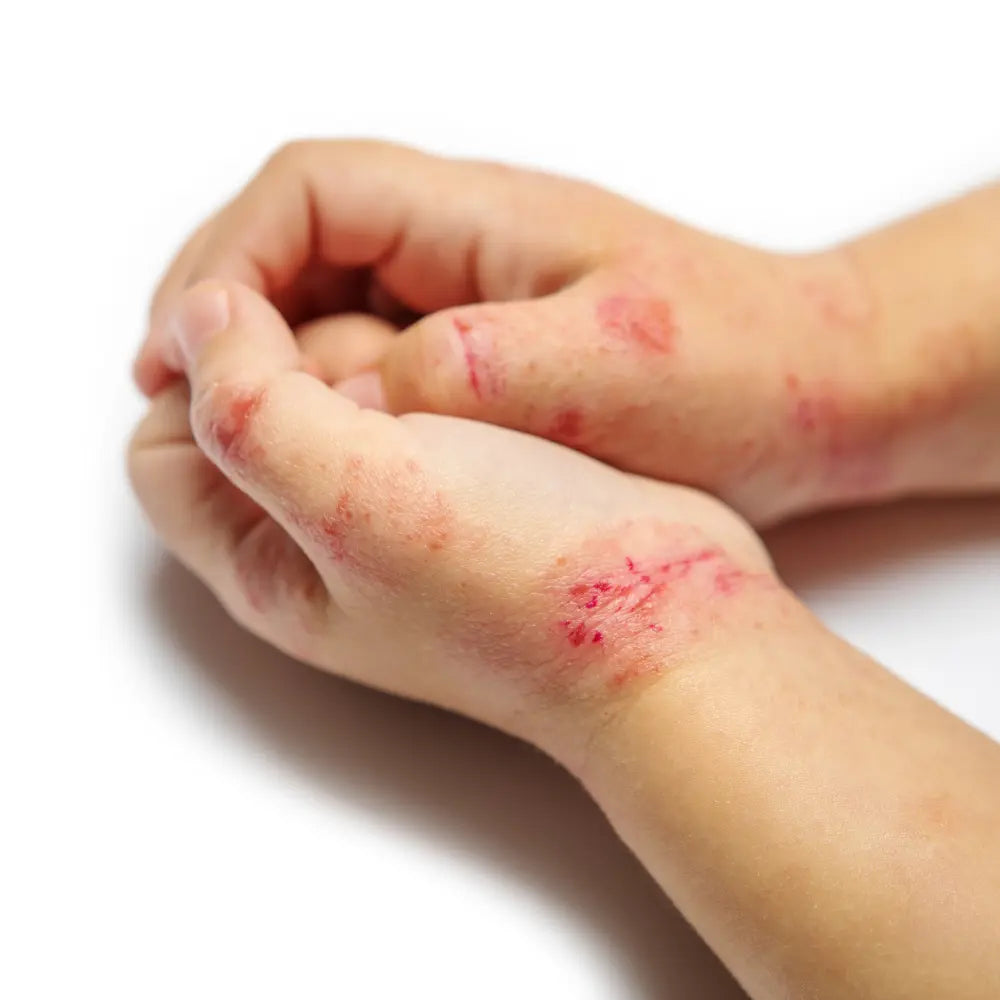
If you or your child are living with eczema, you’ll know how relentless it can feel.
The itching. The redness. The discomfort that shows up not just on the skin, but emotionally too.
While there’s no single food or diet that “cures” eczema, what you eat can quietly influence how your skin behaves. Certain foods may help calm inflammation and support skin repair, while others can act as subtle triggers - especially when skin is already sensitive.
This guide breaks down the role diet can play in eczema, which foods tend to support skin health, and which ones may be worth paying attention to - all without restriction, pressure, or perfection.
How Diet and Eczema Are Connected
Eczema (also known as atopic dermatitis) isn’t caused by diet alone. It’s a complex condition influenced by genetics, immune response, skin barrier function, and environmental factors.
That said, food can affect eczema by:
+ Influencing inflammation levels
+ Supporting (or disrupting) gut health
+ Providing nutrients needed for skin repair and barrier strength
Think of nutrition as background support - not a quick fix, but something that helps your skin feel more resilient over time.
Eczema-Friendly Foods That Support Skin Health
Many whole, nutrient-rich foods naturally support skin function and help calm inflammatory responses. These are some of the most commonly well-tolerated options for eczema-prone skin.
Foods That May Support Eczema (and Foods to Watch)

Rather than focusing on strict rules, this approach encourages awareness - noticing which foods help your skin feel calmer, and which ones may be worth paying attention to during flare-ups.
Omega-3-Rich Foods
Omega-3 fatty acids are known for their anti-inflammatory properties and may help reduce redness, dryness, and irritation.
Foods to include:
Salmon, sardines, mackerel, chia seeds, flaxseeds, walnuts
Colourful Fruits and Vegetables
Brightly coloured produce is rich in antioxidants that help protect skin cells and support repair.
Foods to include:
Blueberries, strawberries, spinach, kale, carrots, sweet potatoes, red capsicum (aim for variety - the more colour, the better!)
Probiotic-Rich Foods
Gut health and skin health are closely linked. Supporting the gut microbiome may help regulate immune responses and inflammation.
Foods to include:
Yoghurt with live cultures, kefir, miso, kimchi, sauerkraut, kombucha
(Dairy-free options are perfectly fine if needed).
Zinc-Rich Foods
Zinc plays an important role in wound healing and maintaining the integrity of the skin barrier.
Foods to include:
Pumpkin seeds, lentils, chickpeas, quinoa, shellfish such as oysters or crab
Vitamin E-Rich Foods
Vitamin E is an antioxidant that helps protect skin cells and support hydration.
Foods to include:
Almonds, sunflower seeds, hazelnuts, avocado, wheat germ oil
Foods That May Trigger Eczema for Some People
Eczema triggers vary widely from person to person. No food is universally “bad,” but some are more commonly reported to worsen symptoms - particularly during flare-ups.
Foods some people choose to monitor include:
Dairy products (especially cow’s milk)
Refined sugar and highly processed foods
Common allergens such as eggs, soy, or peanuts (with medical guidance)
Nightshades (tomatoes, eggplant, potatoes, capsicum)
Alcohol and excessive caffeine
Keeping a simple food and symptom diary can help identify personal patterns without unnecessary restriction.
A Gentle Note on Elimination Diets
Cutting out food groups without guidance can sometimes do more harm than good — nutritionally and emotionally.
If you’re considering dietary changes to support eczema:
+ Avoid drastic eliminations on your own
+ Seek guidance from a GP, dietitian, or qualified practitioner
+ Focus on nourishment, not deprivation
+ The goal is support and balance - not control.
Supporting Eczema From the Inside Out
Diet is just one piece of the eczema puzzle but it can be a meaningful one. When combined with gentle skincare, barrier support, stress management, and environmental awareness, nutrition becomes part of a bigger, kinder approach to skin care.
Small, consistent choices add up.
And for eczema-prone skin, those small choices matter.
FAQs
Read more

How small moments of calm can support the nervous system and help reduce eczema flare-ups.
Confused about eczema vs dermatitis? Learn the difference, common triggers and how to support sensitive skin.