
How Topical Steroids Work (and Why They’re Recommended Short-Term)
Topical steroids are one of the most commonly prescribed treatments for inflammatory skin conditions like eczema and dermatitis.
For many people, they provide fast relief - reducing redness, swelling and itching within days (or sometimes even hours!).
But how do they actually work?
And why are they usually recommended for short-term use only?
Understanding the mechanism behind topical steroids can reduce confusion, prevent fear-based decisions and help you make informed choices about your skin.
What Are Topical Steroids?
Topical steroids (also called topical corticosteroids) are anti-inflammatory medications applied directly to the skin.
They are commonly prescribed for conditions such as:
+ Eczema (atopic dermatitis)
+ contact dermatitis
+ Psoriasis
+ Insect bites
+ Other inflammatory rashes
They come in different strengths - from mild over-the-counter options to very potent prescription formulas.
How Do Topical Steroids Work?
Inflammatory skin conditions occur when the immune system overreacts, triggering redness, swelling, itching, and barrier disruption.
Topical steroids work by:
+ Suppressing the local immune response
+ Reducing inflammatory chemicals in the skin
+ Constricting blood vessels (which reduces redness)
+ Calming itch signals
In simple terms, they interrupt the inflammatory cycle.
This is why they can be so effective during acute eczema flares.
If you’d like a broader breakdown of eczema itself and how it differs from other inflammatory skin conditions, you can explore that here: Eczema vs Dermatitis: What’s the Difference and How to Manage Both
Why Are Topical Steroids Recommended Short-Term?
Topical steroids are powerful tools - and like many powerful tools, they’re most effective when used appropriately.
Long-term or frequent use can potentially lead to:
+ Thinning of the skin
+ Increased sensitivity
+ Reduced natural barrier resilience
+ Decreased responsiveness over time
For this reason, healthcare professionals typically recommend:
+ Using the lowest effective strength
+ Applying for limited periods
+ Gradually tapering when appropriate
+ Monitoring skin response
Short-term use during flares is often considered safe when supervised properly.
What Happens If They’re Used Long-Term?
In some cases, prolonged or frequent use may contribute to changes in how the skin responds when the medication is stopped.
Some individuals report experiencing rebound symptoms after discontinuation - a topic explored more fully here: Topical Steroid Withdrawal (TSW): How to Soothe and Support Your Skin
It’s important to understand that not everyone who uses topical steroids develops withdrawal symptoms. Many people use them intermittently and safely without complications.
If you’re unsure whether current symptoms relate to eczema itself or a potential withdrawal response, this comparison guide may help clarify overlapping features: Eczema vs TSW: How to Tell the Difference in Symptoms
Are Topical Steroids Safe?
When prescribed appropriately and used as directed, topical steroids are widely regarded as effective treatments for inflammatory skin conditions.
The key factors that influence safety include:
+ Strength of the steroid
+ Duration of use
+ Area of application
+ Age of the patient
+ Skin barrier condition
Blanket fear or blanket reassurance rarely tells the full story. Context matters.
The goal isn’t to demonise topical steroids - nor to use them without thought. It’s to understand how they work, when they’re helpful and when careful monitoring is needed.
The Bigger Picture: Inflammation and Barrier Health
Topical steroids calm inflammation quickly. But long-term skin resilience also depends on:
+ Supporting the skin barrier
+ Reducing irritant exposure
+ Managing stress
+ Maintaining hydration
+ Supporting overall skin health
Steroids can interrupt a flare - but barrier care and lifestyle habits help reduce recurrence.
A Balanced Perspective
For many people, topical steroids are an important and appropriate part of treatment.
For others, especially those navigating withdrawal or long-term dependency concerns, decisions feel more complex.
If you’re unsure about your treatment plan, having an open conversation with a healthcare professional is an important step.
Understanding how topical steroids work gives you clarity - and clarity reduces fear.
FAQs
Read more
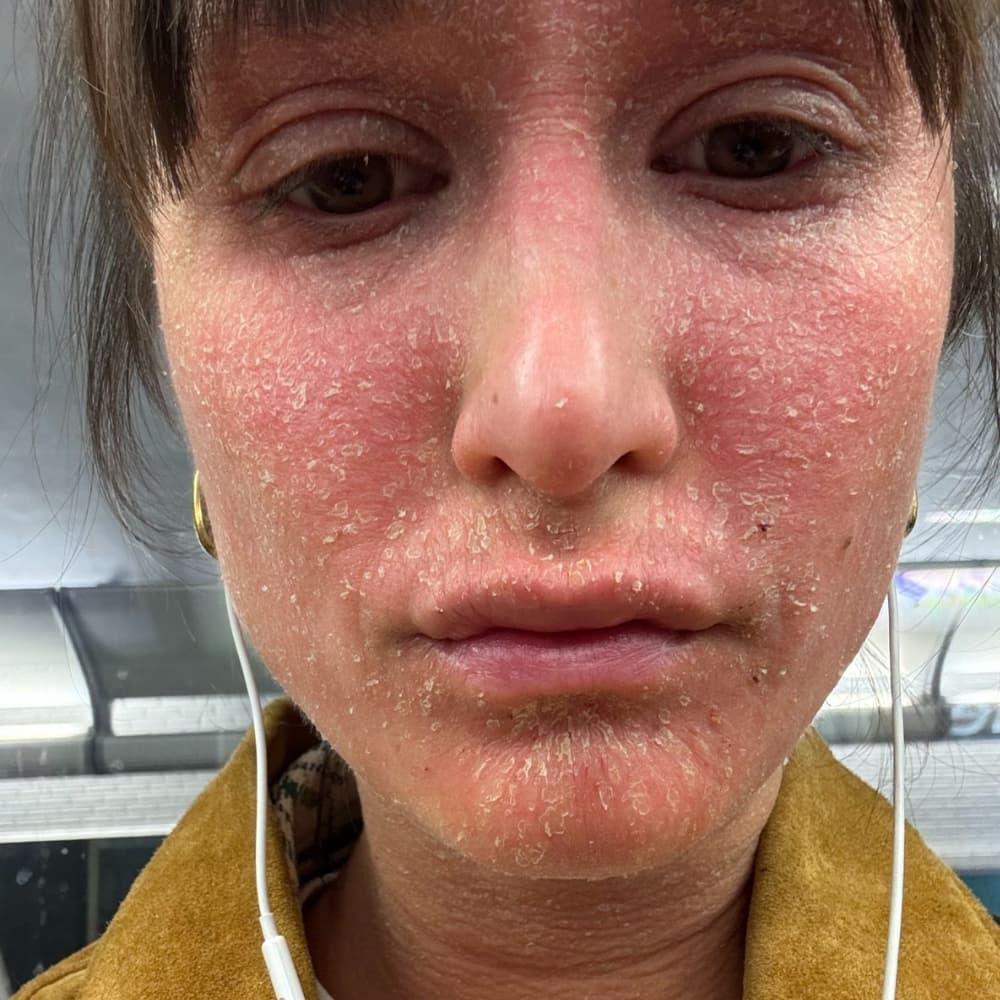
Confused about eczema vs TSW? A gentle guide to understanding overlapping symptoms and finding clarity.

Eczema flares hardest in winter because the conditions are stacked against you.