Eczema vs TSW: How Symptoms Overlap (and Why It’s Hard to Tell the Difference)
If your skin is flaring, red, itchy, or burning, it’s completely natural to ask:
Is this eczema… or could it be topical steroid withdrawal (TSW)?
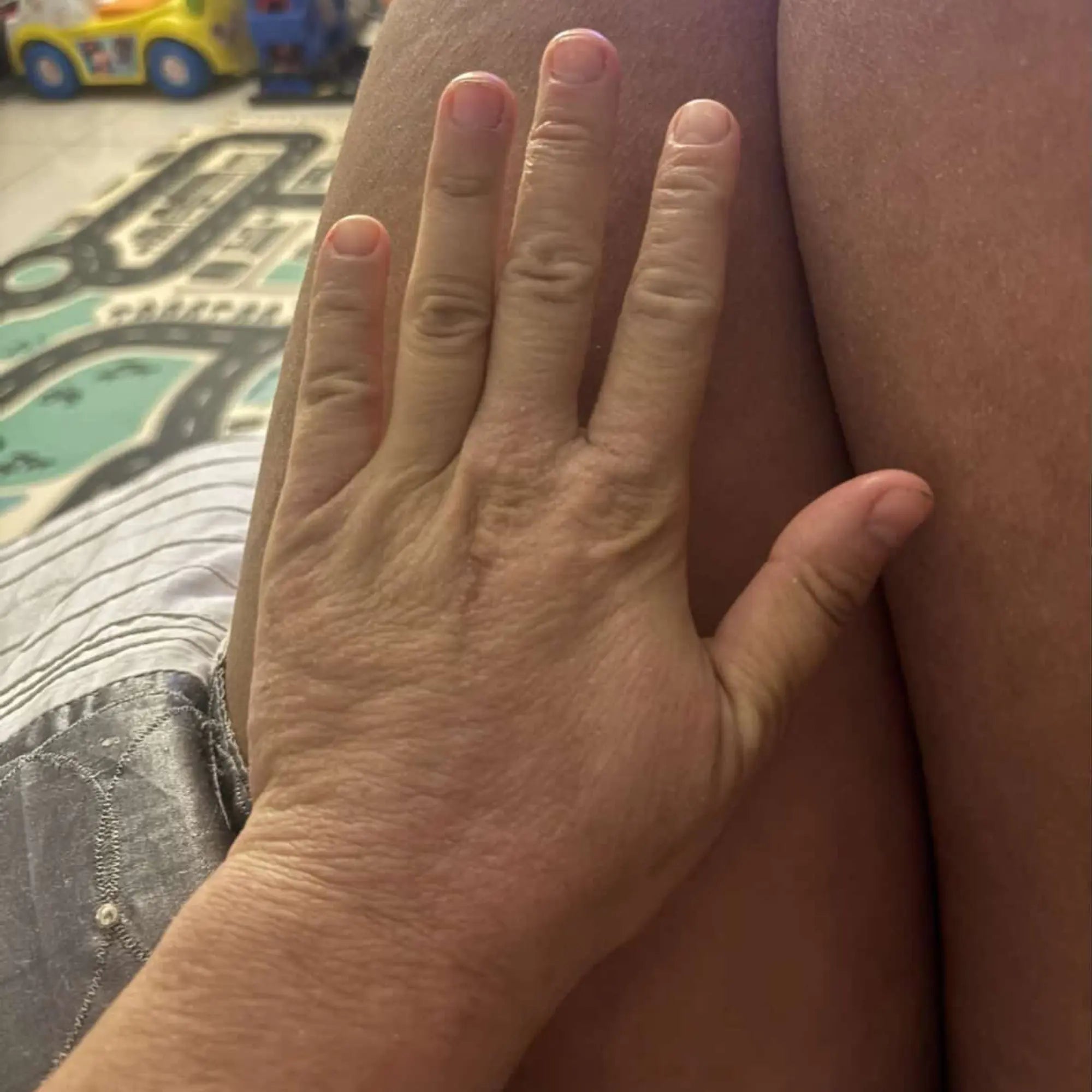
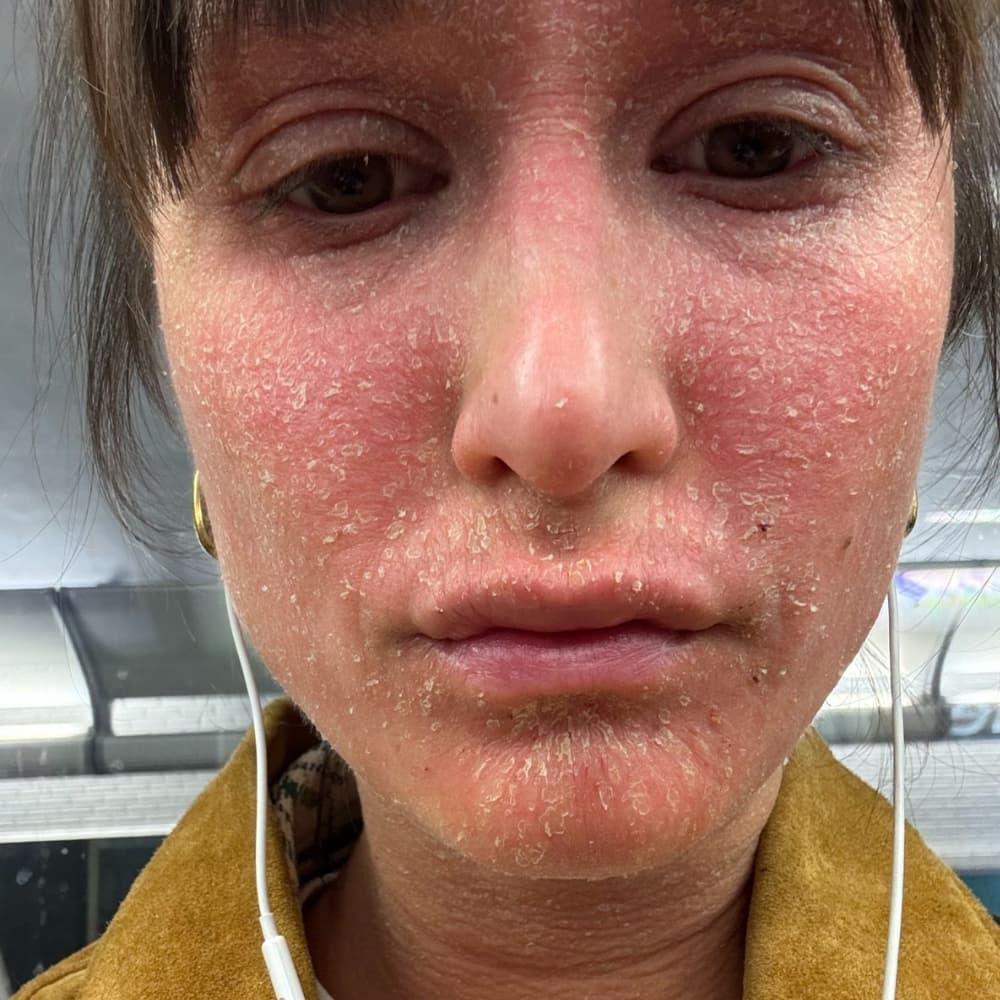
The challenge is that the two can look very similar. Redness. Sensitivity. Dryness. Flare cycles. Barrier disruption.
And when you’re in the middle of it, clarity can feel hard to find.
This guide breaks down how eczema and TSW overlap, where they may differ and why professional support matters when symptoms feel confusing.
If you’re already navigating steroid withdrawal and looking for practical support, you may also find this helpful: Topical Steroid Withdrawal (TSW): How to Soothe and Support Your Skin
What Is Eczema?
Eczema (also called atopic dermatitis) is a chronic inflammatory skin condition linked to:
+ Genetics
+ Immune system sensitivity
+ A weakened skin barrier
+ Environmental triggers
It often begins in childhood but can continue into adulthood.
Common features include:
+ Persistent dryness
+ Itching (sometimes intense)
+ Red or inflamed patches
+ Flare cycles triggered by stress, weather, irritants or allergens
If you’d like a deeper breakdown of eczema as a condition, including how it differs from other forms of dermatitis, you can explore that here: Eczema vs Dermatitis: What’s the Difference and How to Manage Both
What Is Topical Steroid Withdrawal (TSW)?
Topical steroid withdrawal can occur after stopping prolonged or frequent topical corticosteroid use.
Topical steroids are often prescribed to reduce inflammation during eczema flares. When used appropriately and short-term, they can be effective. However, after extended use, some individuals report rebound symptoms when discontinuing them.
If you’re unsure how topical steroids work or why they’re typically recommended short-term, this breakdown may help: How Topical Steroids Work and Why They’re Recommended Short-Term
TSW experiences vary significantly between individuals. Not everyone who uses topical steroids develops withdrawal symptoms.
Why Eczema and TSW Can Look Similar
Both conditions involve inflammation and barrier disruption, which means they can share symptoms such as:
+ Redness
+ Burning or stinging sensations
+ Itching
+ Dryness and flaking
+ Increased sensitivity
+ Sleep disruption
This overlap is one reason self-diagnosis can be difficult.
Where They May Differ

*Experiences vary widely. This comparison is educational, not diagnostic.
The Importance of Context
One of the biggest clues isn’t appearance - it’s history.
Questions that matter:
+ How long were steroids used?
+ How frequently?
+ When did symptoms change?
+ Were flares occurring before steroid use?
It’s also important to remember that eczema itself can evolve over time. Flare patterns can change with age, stress levels, and environmental exposure.
Stress, in particular, can significantly influence inflammatory skin conditions. If you’re exploring how the nervous system impacts flare cycles, this may provide helpful context: Glimmers, Stress & Sensitive Skin: Why Small Moments Matter for Eczema
Why Self-Diagnosing Can Be Risky
Online symptom comparison can increase anxiety - especially because both eczema and TSW can fluctuate.
Only a qualified healthcare professional can:
+ Assess medical history
+ Evaluate steroid exposure
+ Rule out infection or other conditions
+ Provide personalised guidance
Finding the Right Support Matters
Topical steroid withdrawal is still an evolving and sometimes debated area within the medical profession. While awareness is growing, not all healthcare professionals are equally familiar with TSW or comfortable acknowledging it as a distinct experience.
If you’re seeking guidance, finding a practitioner who understands both inflammatory skin conditions and steroid withdrawal can make a meaningful difference.
Some people find supportive practitioners by:
+ Asking for recommendations within TSW support groups on Facebook
+ Seeking dermatologists or integrative practitioners who are open to discussing withdrawal experiences
+ Requesting consultations specifically to discuss steroid history and recovery support
Community-led groups, including moderated TSW Facebook communities, can sometimes help you identify practitioners in your local area who are familiar with steroid withdrawal and supportive care approaches. As with any online recommendation, it’s important to do your own research and ensure any practitioner you see is appropriately qualified.
For educational resources, advocacy, and global support, the International Topical Steroid Awareness Network (ITSAN) is often referenced within the TSW community. ITSAN provides information, research updates, and support networks for individuals navigating withdrawal.
TSW experiences can vary widely, and professional guidance remains important - especially to rule out infection or other complications. The goal isn’t to avoid medical care, but to find care that feels informed, respectful and aligned with your individual situation.
A Gentle Reassurance
Whether symptoms stem from eczema, steroid withdrawal or a combination of factors, one principle remains consistent:
The skin barrier needs calm, consistent support.
Inflammatory skin conditions are rarely linear. Flare cycles can shift. Healing can ebb and flow.
The goal isn’t labelling every symptom perfectly - it’s reducing unnecessary irritation and supporting your skin’s long-term resilience.
If you’re currently navigating withdrawal and looking for practical ways to support your skin barrier, hydration and daily comfort, you can explore our full support guide here: Topical Steroid Withdrawal (TSW): How to Soothe and Support Your Skin