The many uses of a barrier balm: 13 ways I reach for Barrier NPR+ (beyond eczema)
The short answer
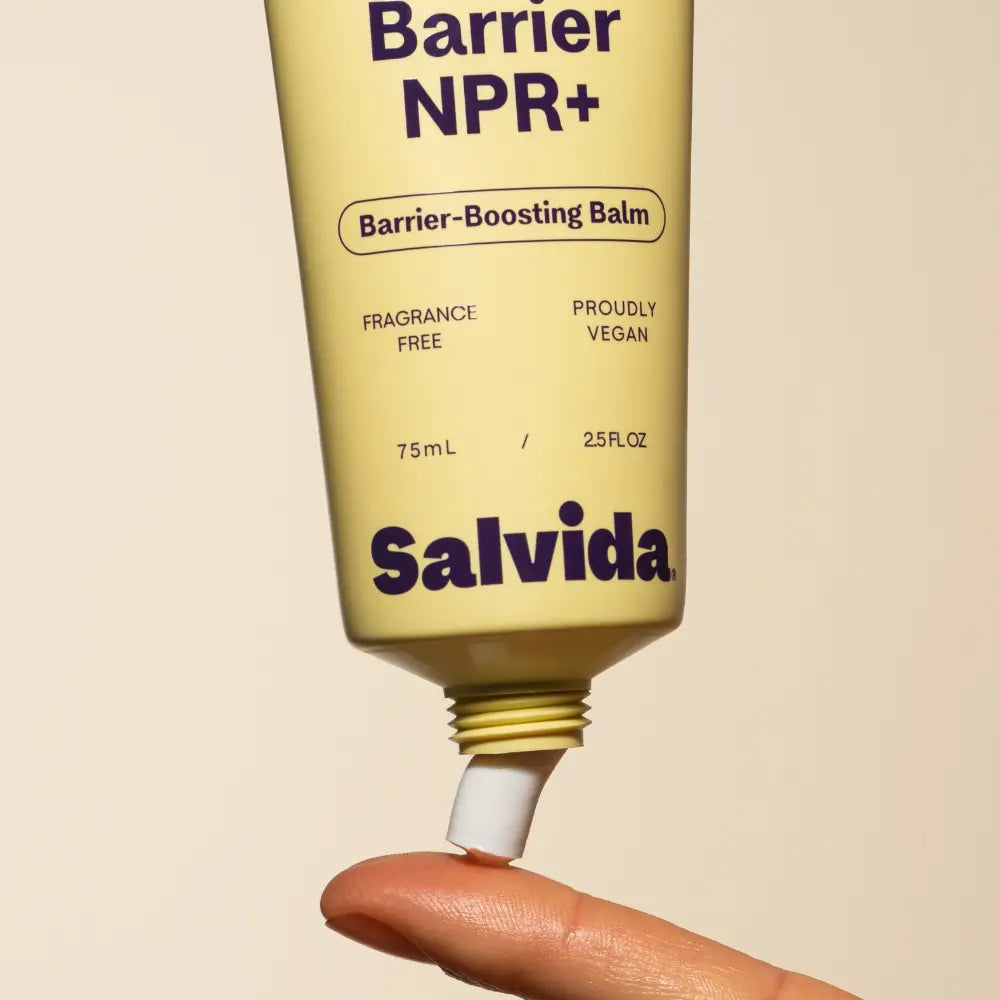
A barrier balm is a thick, occlusive balm that sits on top of the skin and forms a thin protective layer, so it does a lot more than one job. Barrier NPR+ is a water-free balm with 15% non-nano zinc oxide and colloidal oatmeal, backed by a supporting cast of skin-loving oils and ceramides, which means it can help shield skin from wind and friction, slow the moisture your skin loses through the day and night, and help soothe the look of irritated, itchy or bumpy skin. That makes it a true multi-tasking barrier balm. People reach for a balm like this for windburn on the ski fields, chafing on long runs, the itch of insect bites, chapped lips, cracked hands and heels, a raw nose during a cold, dry nostrils on a flight, freshly shaved skin and as an overnight seal (yes, I'm talking about the viral overnight zinc hack!). Here all the different reasons I reach for Barrier (as a busy and physically active mum-of-3).
Why I'm writing this
I'm Jacqui. I founded Salvida, an Aussie skincare brand for sensitive skin, and I formulated Barrier NPR+ when I was in the trenching trying to stay on top of my daughter's eczema. So the funny thing is, the question I now get asked most isn't 'will this help my eczema'. It's 'wait, what else can I use it for?'.
Honestly, that question is my favourite, because a good barrier balm is one of the most underrated things you can keep in a bag. Once you understand what it's actually doing, you start spotting jobs for it everywhere, the windburn after a day on the snow, the chafe from a long run, the mozzie bite you can't stop scratching at 2am. Same balm, same hero ingredients, lots of different uses. This article is the full list and a quick explainer on why one little tube stretches so far. If you want the bigger picture on how barrier care fits into everything else, I laid that out in Sensitive Skin and Eczema.
First, what's actually in it (because the ingredients do the work)
Before the uses, the ingredients, because everything below comes back to them.
15% non-nano zinc oxide. Non-nano zinc oxide is a mineral that sits on top of the skin rather than sinking in. And that's the whole point. It forms a physical layer that does two things at once. It slows down how much water evaporates off the surface, something dermatology calls transepidermal water loss or TEWL, so skin holds its own hydration better. And it acts as a shield between your skin and the outside world, whether that's wind, friction or the day's grime. Zinc oxide is one of the classic occlusive, skin-protecting ingredients for exactly this reason. The non-nano zinc oxide is designed to remain predominantly on the skin’s surface, where it helps form a protective barrier rather than being absorbed through the skin.
Colloidal oatmeal. This is finely milled whole oat, and it's the soothing half of the pair. Colloidal oatmeal is rich in starches and beta-glucan that hold water against the skin, plus plant compounds that help calm the look of irritation. It's so well researched that it's recognised as a skin protectant ingredient in its own right. In my formula it's the thing doing the real work when skin is itchy or angry-looking, working alongside the zinc rather than leaving zinc to do everything on its own.
The supporting cast (this is the bit people ask about). Those two get top billing, but they aren't working alone, and this answers a question I get a lot, what are all the other ingredients actually doing? Quite a bit, as it turns out. First, Barrier NPR+ is a water-free (anhydrous) balm, which is a fancy way of saying there's no water in it, so it's a gentle yet potent occlusive and it needs NO preservatives. The rest of the formula is a supporting cast of barrier-friendly oils and lipids, and it's the reason the balm stretches across so many jobs. Ceramide NP is the standout, a lipid your skin already uses to hold itself together, so topping it up helps the barrier hold water and slow moisture loss. Sunflower seed oil brings linoleic acid, an essential fatty acid your barrier is literally built from. Shea butter and sweet almond oil are the rich emollients that soften rough, dry skin. Jojoba and squalane are lightweight and sit closely to your skin's own oils, so they condition without feeling heavy, which is exactly what you want in cold, dry weather. Vitamin E (tocopherol) is an antioxidant that helps defend against environmental and oxidative stress. And a touch of silica and plant waxes give the balm its smooth, glide-on slip.
It's also fragrance-free and steroid-free, with a short ingredient list and it's clinically and dermatologist tested and recommended by naturopaths, for the most sensitive and vulnerable skin. That last bit matters even if your skin is robust, because something proven gentle enough for the most reactive skin is a safe bet for everyone else. Fragrance is the single ingredient most likely to cause a reaction, which is exactly why I left it out, and why I wrote a whole piece on it in Is Fragrance Bad for Your Skin?.
The one rule that makes it work everywhere
Just remember the golden rule. A barrier balm goes on last. It's the lid on the jar, so whatever you want it to hold in (your own skin's moisture, a layer of Bodyguard moisturiser, or just calm), you put that underneath first, then seal it with the balm. Water-based products go on before oil-based ones, always. I broke the whole humectant, emollient and occlusive system down in Hydration and Skin Health if you want the full logic. For most of the uses below, a thin smear is plenty. For the heavy-duty jobs (windburn, chafing, overnight) you want a proper thick layer.
The 13 jobs I actually use it for
Here's the quick-reference version, then I'll expand on the ones worth a few extra words.
| Use | How I apply it | What the balm is doing |
|---|---|---|
| Sensitive and eczema-prone skin | Generous layer directly on any areas showing visible redness | Seals in hydration, shields from irritants |
| Windburn on the ski fields | Thick layer on exposed facial areas before heading out | Physical shield against wind, slows moisture loss |
| Chafing (thighs, underarms, bra line) | Thick layer on friction spots before a run or ride | Reduces friction, protects the skin surface |
| Blisters and hot spots | Dab on the rub point before a long walk | Cuts friction before a blister forms |
| Rashes and reactive patches | Thin layer over the area | Protects and helps soothe the look of irritation |
| Mosquito and insect bites | Dab on the itchy spot | Colloidal oatmeal calms the itch, seal stops scratching |
| Post-shave and post-wax skin | Thin layer after shaving or waxing | Soothes the look of irritation, shields bared skin |
| Chapped lips | Smear on as often as needed | Occlusive seal holds moisture in |
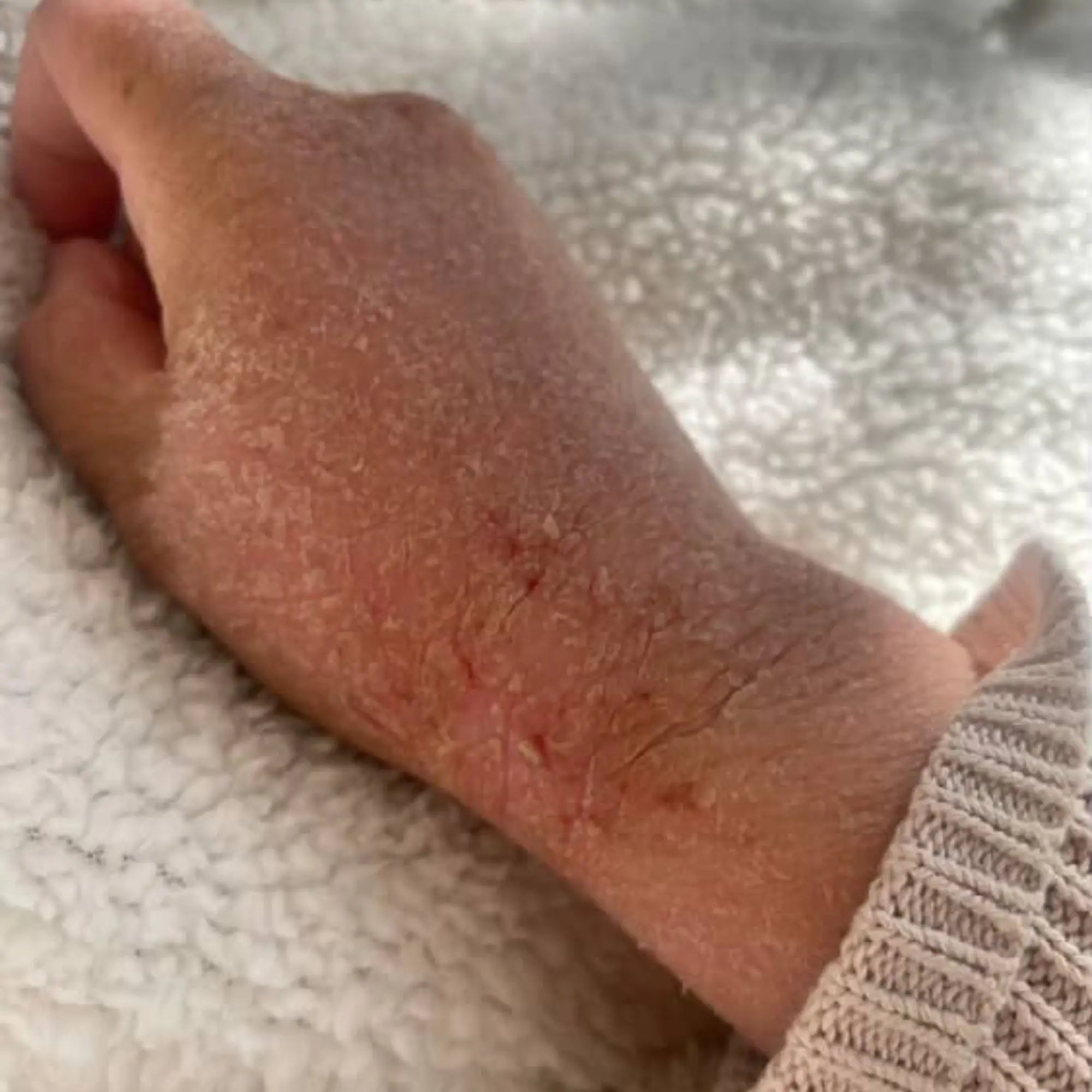
| Cracked hands | Thick layer, ideally overnight and over a water-based moisturising lotion like Bodyguard | Locks in moisture on hard-working skin |
| Cracked heels | Same as above but with socks over the top | Seals moisture into thick, dry skin |
| Raw nose from a cold or hayfever | Thin layer on the sore rim | Protects skin rubbed raw by tissues |
| Dry nostrils when flying | Apply with a Q-Tip to the inner linings of the nostril prior to take off | Slows moisture loss in dry cabin air |
| Overnight seal (the zinc face craze) | Thick layer before bed | The viral 'face basting' step, done properly |
The everyday job: sensitive and eczema-prone skin
This is what I built it for, so it's first. On reactive, easily-irritated or eczema-prone skin, a barrier balm is the final step that seals everything in and puts a shield between your skin and the things that set it off, from wind to wool to harsh water. The zinc slows moisture loss, the colloidal oatmeal helps calm the look of irritation and the ceramides and sunflower oil top up the very lipids a stressed barrier runs short on, so together they support the skin barrier rather than treating any condition.


Out in the elements: windburn and the snow
Windburn is one of those things nobody warns you about until you've got two raw red cheeks after a day outside. It happens when strong wind, cold and low humidity strip the natural oils off the top layer of your skin and it hits the bits that stick out and don't get covered, usually your nose and cheeks. A thick layer of a barrier balm before you head out gives that skin a physical shield against the wind and slows the moisture loss that causes the damage in the first place. This is where the supporting cast really earns its place, because the ceramides and jojoba are exactly what dermatologists point to for cold, blowy weather and the vitamin E helps with the environmental stress. It's my go-to for the ski fields and any big blowy day outdoors. For the full cold-weather routine, I put it all in the Winter Eczema Aussie Survival Guide.

One honest caveat. A zinc balm is not a sunscreen, and I'd never have you rely on it as one. Up on the snow the UV is brutal, so use a proper broad-spectrum sunscreen for sun protection and let the balm do the wind-and-moisture job.
For athletes: chafing and blisters
Chafing and blisters are the same problem wearing two different hats. Friction. Skin rubbing against skin or against a seam, a strap or a shoe, until it's raw. The fix is to buffer the friction before it starts, which is exactly what a barrier balm does. Dermatologists point to occlusive, skin-protecting ingredients like zinc oxide for this, forming a physical barrier that lets surfaces glide instead of grip. The smooth slip actually comes from the whole formula, the silica and plant waxes are the bit that helps it glide rather than drag. A thick layer on the inner thighs, underarms or bra line before a long run or ride, or on a known hot spot before a big walk, and you've headed off the rub. Fragrance-free matters here too, because you're putting it on skin that's about to get warm and sweaty and stay that way for hours.

After shaving and waxing
A freshly shaved or waxed patch of skin is basically a small, self-inflicted irritation, red, a bit raw and briefly stripped of its surface oils. A thin layer of balm afterwards is a lovely way to settle it. The colloidal oatmeal helps calm the look of the irritation, the ceramides and emollient oils put some of those surface lipids back and the occlusive layer shields the area while it settles. It suits legs, underarms and faces and because it's fragrance-free there's nothing in there to sting freshly bared skin. Same logic as everything else on this list, protect, soothe, seal.

When skin flares: rashes and insect bites
For a general reactive rash, a thin layer of balm gives the area a protective cover and helps soothe the look of the irritation while your skin settles. It's a comfort and protection step, so if a rash is spreading, weeping or you're not sure what it is, please see your GP rather than just layering balm over it.
Insect bites are where the colloidal oatmeal really earns its spot. Oat has been used for generations to help calm itchy, irritated skin and dabbing a little balm on a mozzie or midge bite does two useful things. The oatmeal helps take the edge off the itch and the occlusive layer physically covers the spot so you're less tempted to scratch it raw, which is half the battle at night. For any sting, a bite that's swelling badly, or signs of an allergic reaction, that's a medical situation, not a job for a balm.
The dry-and-cracked crew: lips, hands, heels and noses
This is the balm's bread and butter, and where the occlusive seal shines. On chapped lips it forms a seal that holds moisture in, so you can smear it on as often as you like. On cracked hands, the kind you get from constant washing, sanitiser and cold weather, a thick layer overnight locks moisture into skin that's working hard all day. Cracked heels love the same trick, a generous layer at night with a pair of socks over the top to keep it where you put it. The shea butter, sweet almond oil and squalane are the rich emollients doing the softening here, while the ceramides help the skin hold onto what you've sealed in.
Then there's the sore, raw skin around your nose during a cold or a bad hayfever run, rubbed red from a hundred tissues. A thin layer on the rim protects that tender skin so it stops stinging every time you wipe. And a slightly odd one that frequent flyers swear by, a thin smear at the inner nostril and rim before a long flight, because cabin air is extremely dry and an occlusive layer slows how fast that skin dries out. Keep it to the rim and surrounds and don't go too deep inside, and you're golden.

The overnight seal (yes, the zinc craze)
If you've seen the viral 'face basting' or zinc-overnight trend doing the rounds, that's this balm's home turf, done properly. A thick layer of a face-safe zinc balm before bed slows the water your skin loses overnight (which peaks while you sleep) and keeps the surface comfortable, so you scratch less and sleep better. The reason I'd reach for Barrier NPR+ over the nappy-rash tube people grab is simple, the non-nano zinc rubs in (near) clear instead of leaving a white mask and the colloidal oatmeal does the soothing a nappy cream can't. I went deep on the whole trend, and the smarter three-step routine, in Zinc Oxide on Your Face Overnight.
What a barrier balm is not
Quick honesty note, because the brand is built on it. A barrier balm is a comfort and protection tool, not a cure. It's not a sunscreen, so don't rely on it for UV. It won't undo a serious flare or a wound on its own and anything broken, weeping, infected-looking or not settling deserves a GP, not just more balm. What it's genuinely good at is shielding, sealing and soothing, over and over, in a lot of everyday situations. Reach for it for those and it'll earn its keep.
Further reading (the guides that helped me figure this out)
- Barrier cream, DermNet. A clear rundown of how barrier and occlusive creams protect the skin, from a trusted dermatology resource.
- Oatmeal in dermatology, DermNet. Why colloidal oatmeal has been a soothing skincare staple for so long.
- Colloidal oatmeal: history, chemistry and clinical properties, Journal of Drugs in Dermatology. The seminal review on what oat actually does for skin, if you want the science.
- The barrier-improving capabilities of ceramide-containing formulations, The Journal of Dermatology. Why topping up ceramides helps skin hold water and slow moisture loss.
- Insect bites and stings, Healthdirect Australia. The Aussie government's plain-English first aid for bites and stings, and when to seek help.
- Against the wind, The Skin Cancer Foundation. What windburn is, why it hits the nose and cheeks, and how to protect exposed skin.
- The best science-backed way to stop chafing, U.S. Dermatology Partners. Dermatologists on why barrier products and skin protectants like zinc oxide reduce friction.
What I'd read next
- Zinc Oxide on Your Face Overnight: What the Viral Trend Gets Right. The overnight-seal use case in full, and the smarter way to do the trend.
- Hydration and Skin Health: Why Drinking Water Isn't Enough. The humectant, emollient and occlusive story, so 'seal it last' makes sense.
- Sensitive Skin and Eczema: Common Irritants and How to Build a Skin-Friendly Routine. Where a barrier balm fits in a gentle everyday routine.
- Winter Eczema: An Aussie Survival Guide. Cold, wind and heating, and how to keep skin comfortable through it.
One last thing
If you take one thing from this, let it be that a good barrier balm is a quiet little multitasker and once you get why it works, you'll find your own uses for it that I haven't even listed here. That's the fun of it. The ingredients don't change. Your situations do.
I made Salvida so that I had products I could trust to use on my own family, whatever the day threw at us, sensitive skin or not. If barrier-first, fragrance-free, steroid-free Aussie skincare is what you're after, Barrier NPR+ and Bodyguard are the two I'd start with. And if you've found a use for the balm I should add to this list, reach out. I read every email and DM.
Jacqui